Kitchen Cabinet Trends You’ll Regret: Ideas You Should Avoid

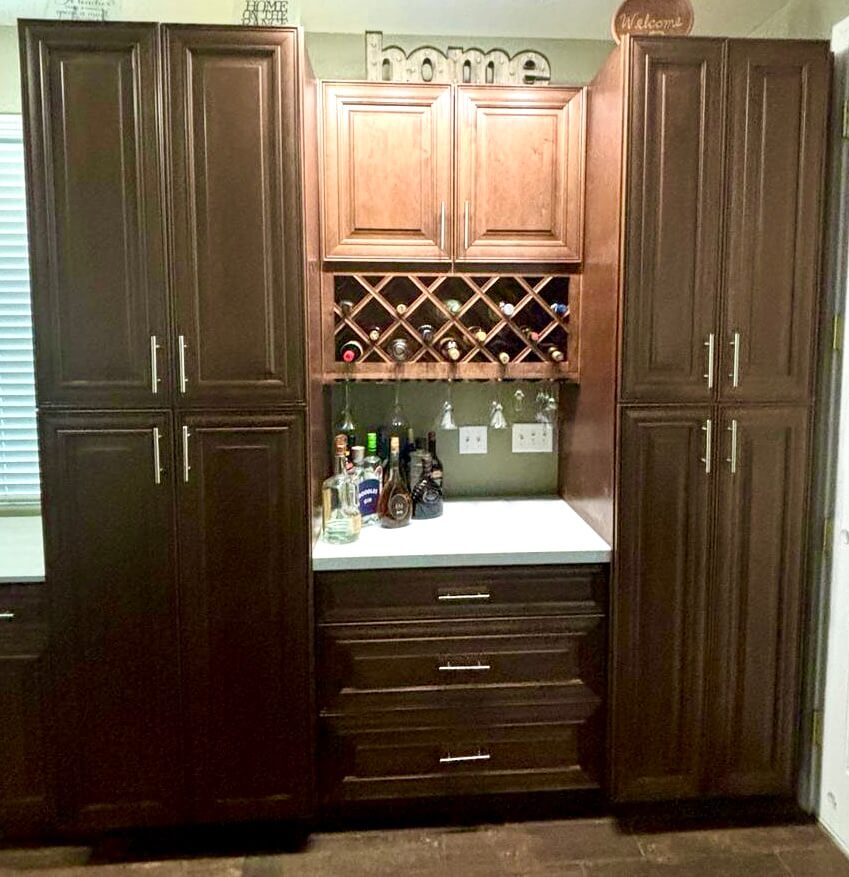
If you are looking online to find remodeling tips and the perfect kitchen layout and floor plan ideas, you will find plenty of style suggestions and tips on the latest trends to follow. But it is also worth thinking about the opposite – the styles and kitchen cabinet trends to avoid. Finding the ideal design is equally as important as eliminating trends that are not practical or useful. 

You are presumably planning to use your kitchen for a long time, or at least more than a few years, before giving it a redesign. That means it is essential to find a style that doesn’t just fit the current trends.

To make sure your new kitchen stands the test of time, pay attention to these kitchen cabinet trends to avoid:

Should You Match Every Possible Kitchen Detail?

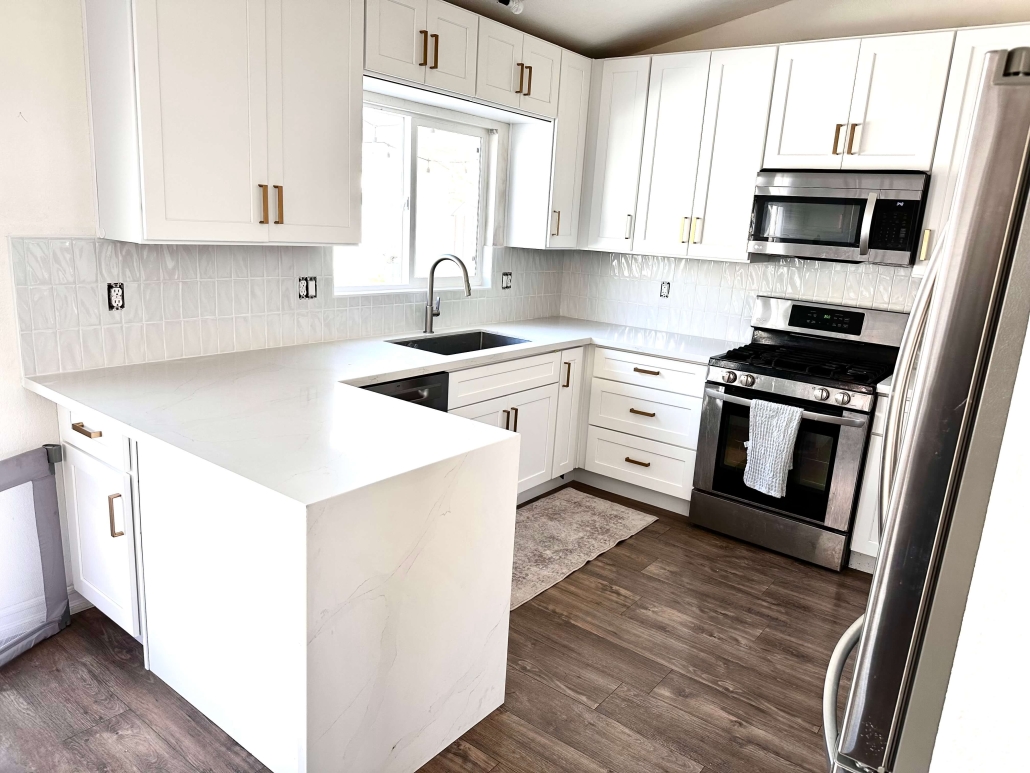
This one goes for both the décor of the cabinets, walls and floor, as well as your kitchen appliances. Excessive color matching and monochrome kitchens can look great in a showroom or a carefully filtered Instagram post, but they have a few flaws in a natural home.

Firstly, they can highlight every scuff and other signs of wear, which means they can require more maintenance and repair if you don’t want your eyes to be drawn to every imperfection when you walk into the room.

Secondly, single-color kitchens tend to go for a neutral color like white, which can look a bit flat and dull when not under perfect lighting conditions. On the other hand, a more vibrant color can be overwhelming and oppressive when not balanced by other color choices.

Remember that if all you need to restyle your kitchen is a fresh color scheme, you don’t need to go to the expense and inconvenience of replacing all of your fittings. A professional cabinet refinishing can give your current cabinets a completely new look and style.

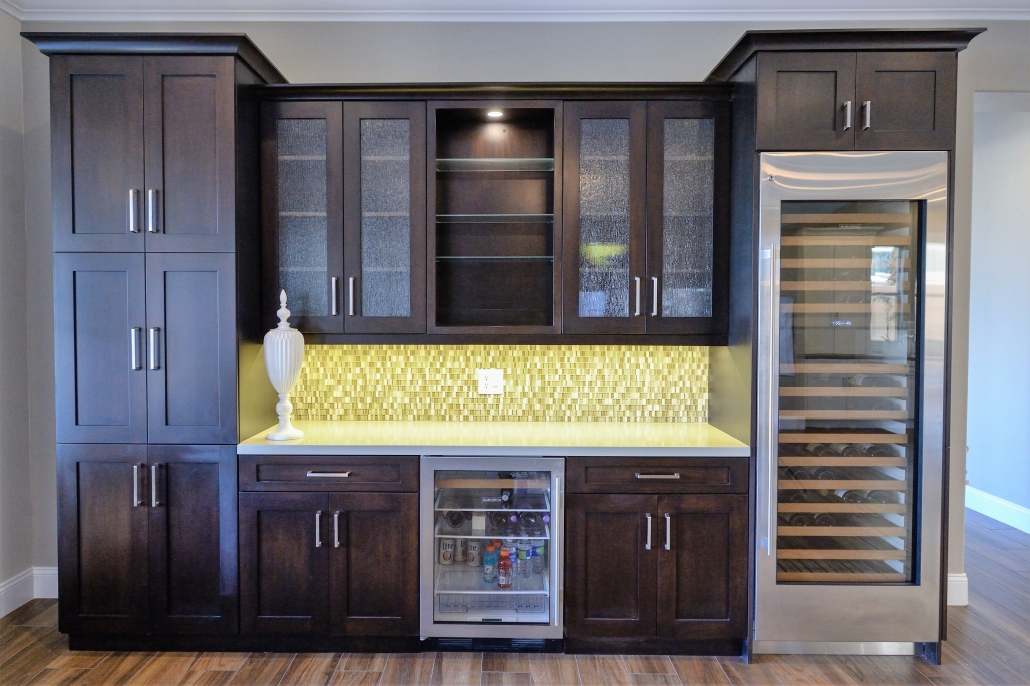
Matching the color of your appliances to the rest of the kitchen can make them blend into the background a little too much. This misses the opportunity to use them as an accent to your overall design. Instead, try giving your appliances a contrasting color to make them pop.

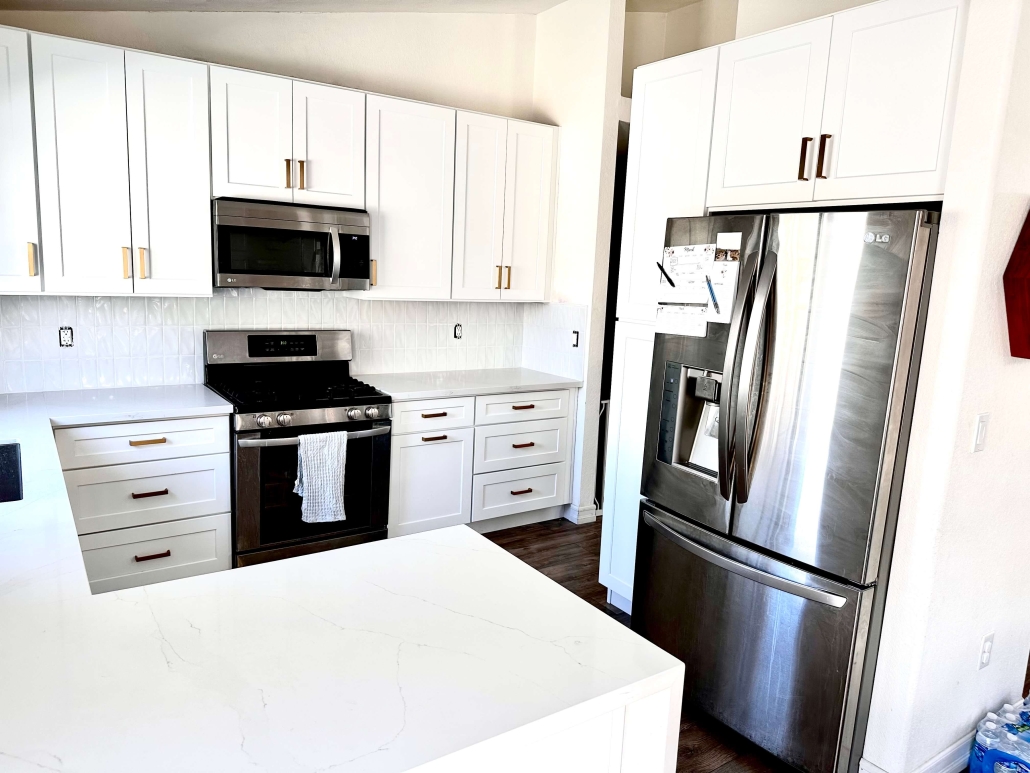
Whether to give your fridge and freezer panels to match your cabinets can depend on the situation. When arranged in a long line of cabinets, the fridge and freezer can help break up the monotony. However, in smaller spaces, paneled appliances might be better for maintaining a consistent visual theme in that part of the room.


Is Ornamenting Every Part of Your Kitchen Cabinets Worth It?

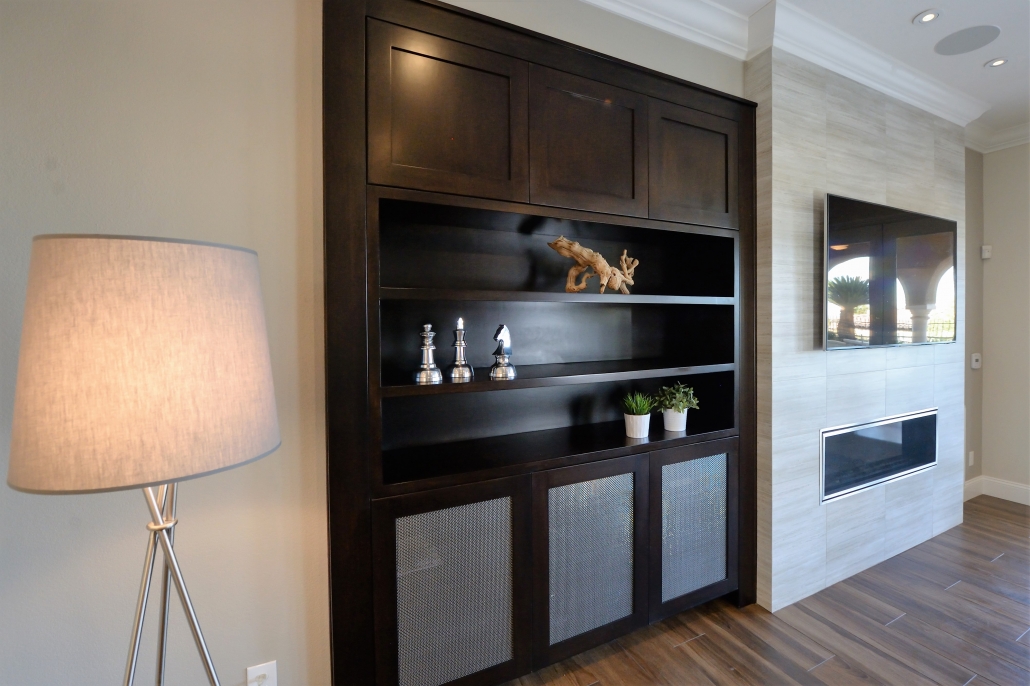
There is nothing wrong with scattering a few knick-knacks around the kitchen if you are going for a cozy or rustic look. Don’t overdo it, though. Not every cabinet needs to be covered in ornaments, and doing this can make the room feel smaller and more cluttered, and messy.

Plants and other ornaments attract attention. Do you want to draw the eye up to the ceiling and corners and away from your new kitchen furniture and layout?

As a general rule, avoid ornamenting spaces with less than two feet of headroom. These can make the area feel claustrophobic and great at gathering dust. On the other hand, a few ornaments can help avoid having an awkward space between the tops of your cabinets and the ceiling in a room with higher ceilings. Big and bulky objects like baskets and jars work better for this purpose than narrow or spindly pieces that don’t extend the height of the cabinet. 

match kitchen countertops

How to Avoid Wrong Countertops with Your Cabinets?

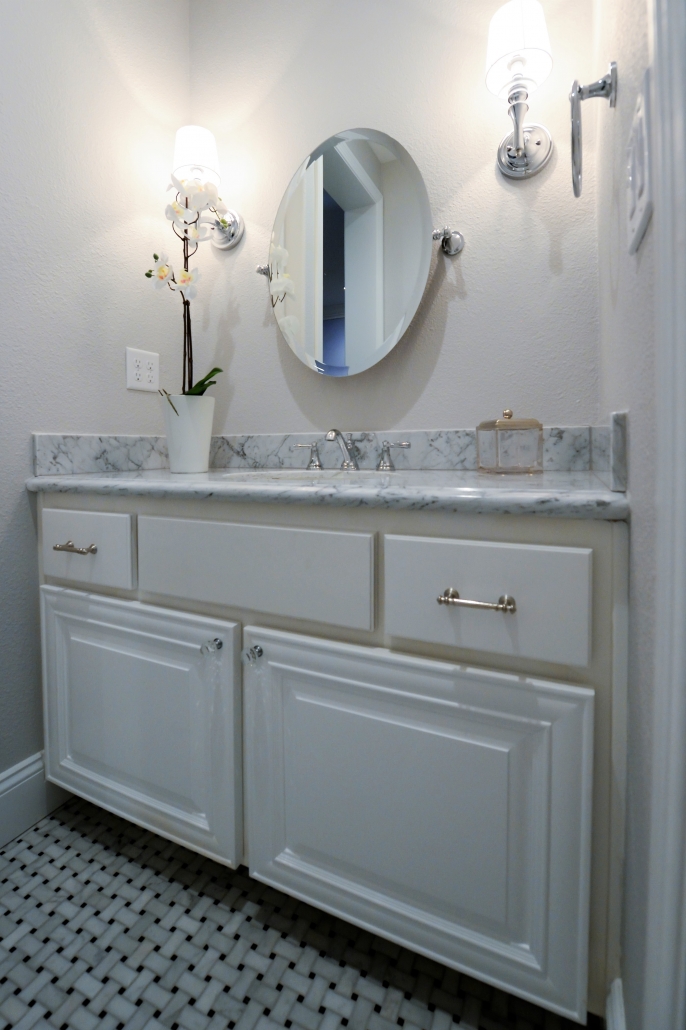
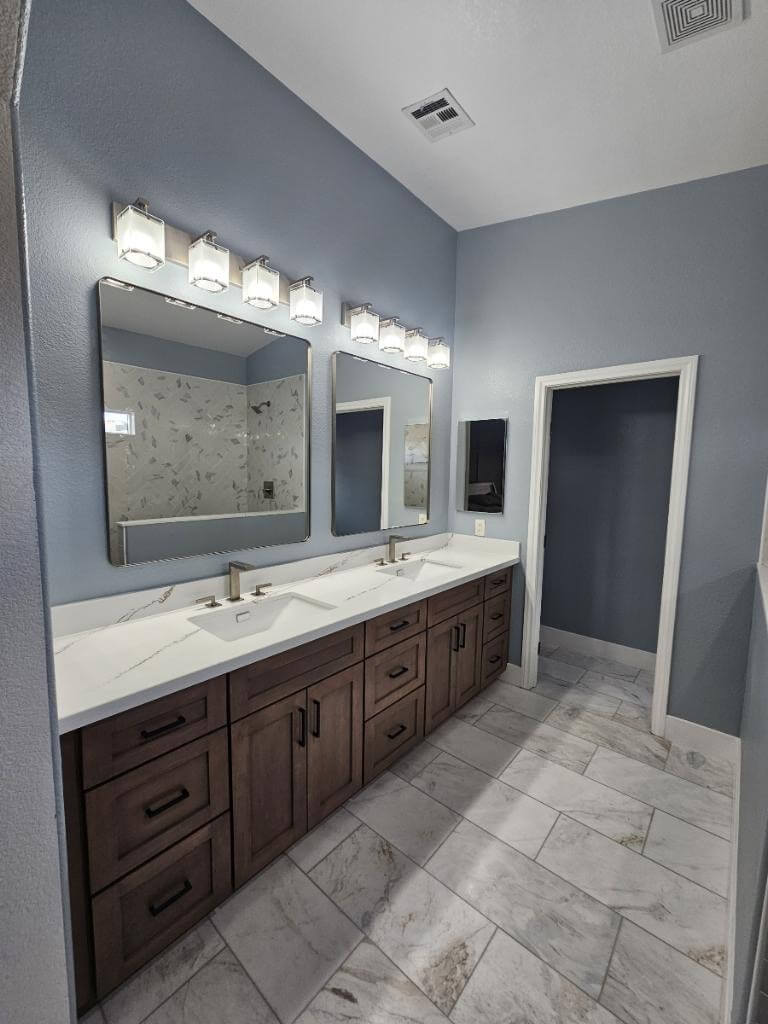
To find the right countertops to go with your cabinets, start with your kitchen’s color scheme. Choosing countertops that contrast or compliment the color of your cabinets will help to define and shape the space more clearly than colors that blend together or match.

The material of your countertops is just as important as the color for giving your kitchen a complete and stylistically consistent feel. For example, marble can be a stylish and classy look for a modern kitchen, but it will look mismatched and out of place in a kitchen that is aiming for more of a rustic or homely feel.

On the other hand, you might have a countertop and perfect kitchen layout that you love already, but it just doesn’t fit with the cabinets underneath. Instead of replacing everything, cabinet refacing can give it a totally new feel by replacing cabinet doors and handles.

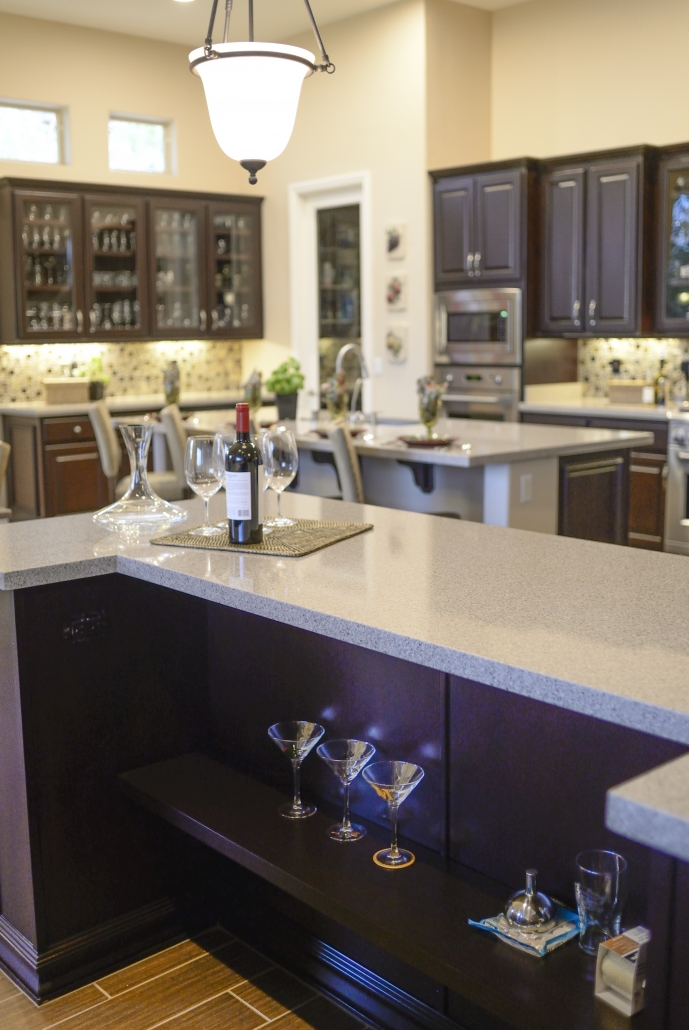
One great trick to highlight your kitchen’s centerpiece is to reverse the color scheme of the kitchen island or table and chairs in the center of the room. For example, if the rest of your cabinets are light with a dark countertop, swap to dark cabinets or chairs with a light counter or tabletop. Some kitchens even switch to a totally different style of cabinet and countertop for the island. This works best in larger kitchens, as it can make a smaller space feel cluttered or lacking in unity.

Do DIY Backsplashes Go With Kitchen Your Design?

The backsplash can make or break the consistency of your kitchen’s design. Simply getting the size and placement right so that it doesn’t look mismatched with the scale of the rest of the room can be challenging. This being the case, it is something best left to experts.

If you are set on doing it yourself, follow the same rules for picking a countertop material and color. Don’t go with a backsplash that is not consistent with the theme and era of the rest of the fittings unless you aim for a deliberate fusion of the two styles.

While it can look great initially to have a backsplash that matches the color of your walls, this is not always the best option. If you have gone for a pale color on the walls like white, light yellow, or light blue, the slightest discoloration from the range will stand out.


kitchen backsplash design


Should You Combine Laundry Room and Kitchen?

When deciding whether to combine your laundry room and kitchen, the first thing to consider is space. We believe that the answer to whether you should combine your kitchen with a laundry room depends on your space availability. Both choices offer great advantages to your home. Depending on the layout of your home, there might not be many places for your laundry appliances to go except the kitchen.

But if you do have the option of choosing either, which one should you go with? There are a few other factors to consider.

In a larger kitchen, laundry machines can go under countertops or cabinets without taking up extra space. In a smaller room, though, you might need all the cabinet storage space you can get, and a washer and dryer could take up a significant chunk of the room.

Putting laundry appliances in a separate room will also require installing the necessary plumbing and ventilation for those machines, adding to the scale and cost of a project. Another advantage of putting the laundry machines in the kitchen is that it puts all of your noisy appliances in one room. A separate laundry room means a second source of noise and vibration and is not masked by the everyday noise in your kitchen.

Conclusion

Whatever your kitchen remodeling plans, always consider the practical side of using the kitchen and style, and remember these kitchen cabinet trends to avoid. For expert help designing your dream kitchen, don’t hesitate to get in touch with Majestic Cabinets.

How to Prep a Room for Painting: Step by Step Guide for Beginners

Painting a room can be an enjoyable experience, as long as you plan ahead and make sure that the room is prepared beforehand. If you are wondering how to prep a room for painting, it’s actually not that difficult. You simply need to follow a process step by step, in the same way, that painting contractors do.

During the process, you need to consider what wall painting ideas you have, what your budget is, and what materials you need. You may also find it useful to research how to paint a room for beginners so that you are fully prepared for the task ahead. Then, you need to start on the physical preparation of the room.

Plan the Work Ahead

The first stage of prepping a room for painting is to plan ahead. You need to plan your budget, so that you do not let costs spiral out of control. You also need to work out a color scheme, so that you can include getting the right paint in your preparations. If you are looking for inspiration for wall painting color schemes you can check for some ideas online.

Make Sure That All Materials Are In Place

The last thing you want to happen, once you start painting, is to have to stop to go looking for materials. When you are preparing the room, you should make sure that you have the following materials to hand.

  • Paint
  • Different-sized brushes, so that you can finish off edges
  • Paint roller
  • Paint tray
  • Masking tape
  • Drop cloth
  • Ladder. Never be tempted to stand on furniture instead because it’s dangerous to do so.

Remove Furniture From the Room

Furniture will get in the way when you paint, and it may also get covered in paint accidentally. This is why you should remove furniture from the room before you paint, if possible. If you are moving heavy furniture, get someone to help and do so in the right way.

When you are working on how to prep a room for painting, you may find that you have nowhere to move furniture too. In this case, you should move the furniture away from the area where you are painting. The middle of the room will often be the best place to put it. You should then cover the furniture with plastic.

Should I Cover Floors Where Painting is Taking Place?

It’s possible to try and get paint off a wooden floor or a carpet. However, the best thing to do is protect the floor before you start painting. You simply need to place a drop cloth on the floor and secure it in place using masking tape. Make sure that you cover the entire floor.

How to Loosen and Tape Electrical Switches?

There is no easy way to go about wall painting without protecting electrical switches first. If you do not do this, you will not be able to paint right up to the switches without getting paint on them.

The best way to paint a wall where there are electrical switches present is to.

  • Turn off the electricity.
  • Loosen the electrical switch covers.
  • Protect the edges of all switches with masking tape.

Doing this means that you take care of electrical safety while also making sure that your painting is tidy and does not cover electrical switches.

How Can I Protect Windows and Doors?

It’s not just electrical switches that need to be protected when you are painting a room. You also need to protect doors and windows. You may eventually want to paint the door to a room but not at the same time as the walls. So, the door needs to be protected against accidental painting.

Before you tape doors and windows to protect them, you should make sure that they are free from dirt and dust and that the surface is dry. Then, you can apply masking tape to the area that you want to protect. Remember that you need to make sure that the tape is placed right against the surface where you are going to be painting. It’s also a good idea to use several small pieces of tape rather than one long one. This helps to avoid stretching the tape and creating gaps.

This is how to prep a room for painting. It’s an important part of how to paint a room for beginners. This is because making sure that the room is prepared in the right way gives you a better chance of painting the room successfully. You should also remember to give yourself plenty of time to finish the work. This is important as it means that you are less likely to rush the work and make mistakes. Instead, you can take your time and make sure that you do a good job. If you are not sure, whether you can make it alone, you can always refer to home remodeling contractors near you.