How To Choose A Backsplash Material For Kitchen?

A kitchen backsplash can be amazing for keeping your walls safe from spills, splashes and other kitchen messes. It is also a great design function. There are plenty of materials that can be used for a kitchen backsplash and some are far better than others. If it is time for kitchen remodeling then there’s every chance you’re wondering what the best backsplash materials are. We’ve explored some kitchen backsplash options in this article to help you out.

Why Do You Need a Backsplash For Your Kitchen?

Pretty much every kitchen will use some sort of backsplash as it just makes sense. You can get backsplash installed easily with the help of a professional contractor. A backsplash is primarily in place to stop things like liquids from splattering and spilling onto the wall. This is why you often find a backsplash next to a counter or behind a sink.

A backsplash can be used behind a cooktop, too. If you’ve ever tried to clean grease off of a wall then you will know exactly why this is a useful installation. Kitchen backsplash is much easier to wipe clean than the wall and keep the wall itself fully protected.

Different Types of Backsplashes?

Backsplash is a statement piece in your kitchen. It compliments the overall design in the kitchen and should be nicely paired with countertops and kitchen cabinets. Of course there are other features to consider besides matching the pieces in your kitchen such as price, quality and how easy is the installation and maintenance process. That’s why the best kitchen backsplash materials are somewhat subjective. Naturally you want something that will protect the walls and be easy to clean.

Let’s explore some of the top materials and start with the most popular options.

  • Ceramic or Porcelain tiles are the most widely used backsplash material for kitchens. They are in demand because of their durability, versatility and easy maintenance. There are loads of options available. You will find a large array of colors, shapes and sizes. Get creative, mix and match different shapes and styles to get a stunning design. Glazed porcelain or ceramic tiles are also great for coping with water which makes them ideal to put behind a sink. And you also don’t need much effort to get rid of the food spillages and stains.
  • Glass tiles can give a modern look to your kitchen but they can also be a little bit less hard-wearing as compared to ceramic. And still this is a good choice to add some lightness to your kitchen design. The reflective surface returns the light and makes your kitchen look more luminous.
  • Metal tiles such as steel or brass are often used as a backsplash material. These tiles are gaining popularity now. And yet they give a bit more of a commercial feel, the kind of thing you may see behind a counter in a pro chef’s kitchen. Nevertheless they’re affordable, easy to keep clean and come in a variety of textures. If you pair it right with the other elements in your kitchen they might give it a rich and luxurious look.
  • Natural stone such as travertine or marble can be another option for kitchen backsplash. Marble is great for a more sophisticated look and travertine brings in the classy old look and adds warmth to the area. However, natural stone has its downsides too as it is expensive and demands regular care. All the same don’t hesitate to choose this option if you don’t mind shelling out a little bit more money.
  • Thermoplastic tiles are the most low cost and easy installed option of all. They’re often designed to simulate the look of other tiling such as a mosaic look. They are sometimes sticky so that a whole panel can easily be attached to the wall with minimal effort. The downside is that these may not last as long as some of the other options, and they don’t feel as good on the wall.
  • As you can see, there is a lot to choose from on the current market. It will boil down to decisions on whether you’d like to spend a lot of money on your backsplash, and also what design functions you are looking for. If you need an easy-clean, simple installation then ceramic and porcelain might be your best option.

Bathroom Painting Tips & Mistakes to Avoid

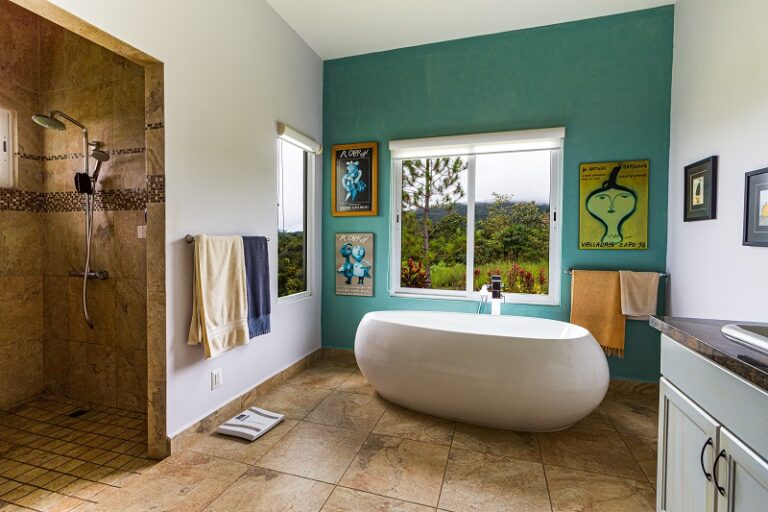
Is it time to paint your bathroom? This isn’t the most glamorous job in the world but from time to time your home needs a bit of a refresh. The bathroom has to deal with a lot of moisture and conditions that other rooms don’t, so there are tips for painting a bathroom that may not apply to other rooms. We’ve covered some common painting mistakes in this article and we’re looking into tips on how to paint a bathroom..

Whether you are going through a full bathroom remodeling or just need a bit of a spruce up, these methods can be extremely useful, and make sure you don’t make any errors that mean having to start the whole job again!

Mistake #1: No Prep

Many people are guilty of just starting painting and don’t know how to prep the bathroom for painting. This means not doing the most effective job. In the bathroom, a lot can build up on the walls. For instance, soap scum and other annoying build-ups can occur and you need to make sure you clean the bathroom first. Cleaning the walls is vital.

Tip: Prepare Your Bathroom for Painting

The bathroom is the worst area for gunk and unwanted build-ups. So here is how to clean bathroom walls before painting

You can clean with Trisodium Phosphate, a cheap option that does a great job of cleaning. It is also a way to protect the paint job. Don’t start without cleaning the walls or you might find that the paint job is not as thorough.

Mistake #2: Using Regular Paint

Don’t just use any old paint you buy from the hardware store. This is a big mistake but one that is made very often! The bathroom is not the same as painting other rooms. Mildew and mold usually build up in it due to temperature changes and the bathroom being a hotbed for issues that can stem from damp conditions.

Tip: Know What Type of Paint is Best For A Bathroom

There are specific bathroom paints that are water and mold resistant The best type of paint for bathrooms is a satin, semi-gloss, or glossy finish with a mildew-resistant additive. The right chosen paint should last a while. Also pay attention to color to make sure it also looks nice.

Mistake #3: Uneven Paint

We know that painting a bathroom isn’t top of the list for things to do this week! However, rushing can cause streaks and uneven paintwork and then you will have to find ways to fix uneven paint on the walls. Make sure the walls are completely dry before you try to paint them. If doing multiple coats, make sure the previous has had a chance to dry.

Tip: Let Everything Dry Thoroughly

Rushing things can also lead to errors in detail. Be willing to spend a bit of extra time to make sure you’re happy with the job. Of course, if these tips don’t make it quick enough, our painting contractors can help you and take the job off of your hands.

Mistake #4: Not Taping

This can cause the paintwork to look messy and untidy. You need to put a little extra work in to make sure that paint is even and you don’t get splashes where you don’t want them. Otherwise, you can end up with paint everywhere, such as on the toilet, the shower, and other areas you don’t want it to be!

Tip: Tape for Clear Edges

Taping can give you a border and allow you to paint freely. If you do happen to go over the edges then the masking tape should protect the areas you don’t want to paint. Things like the toilet tank and borders. This gives an all-around more polished and pro finish. This is one of the common painting mistakes that are very easy to avoid.

Mistake #5: Using Random Brushes

Ideally, use a roller to paint the bulk of the bathroom and then just use the brushes for some of the detailing if required. Rollers can be a great way to get an even coating. There are even specific roller techniques you can look at that can help the painting. Some people start by a W shape and then fill in the areas in between. This can ensure even coverage.

Tip: Use the Right Type of Paintbrush

There are a variety of paint brushes. Do a little research and choose the one that best applies for you. It is the most important tool for this job to say the least.

Mistake #6: Skipping Primer

Primer is always a good idea when doing any sort of painting, but bathroom paints definitely need a primer. Oil-based primers can be a great way to coat the surface, covering up any old stains and providing a fresh surface for your new bathroom paint. Yet again, this is a tip for painting a bathroom that is not particularly difficult, it is just a case of being thorough and trying not to cut corners.

Tip: Use the Correct Type of Primer

You can find primers that have damp seal technology to stop the negative effects of the damp getting into the paintwork over time and causing it to lose its vibrancy. Some primers are quick-dry so you don’t even have to wait too long for them to do the job before you can paint the whole room.