Bath vs. Shower: Which Is Better for Your Bathroom?
A bath means soaking your body in a water-filled bathtub, while a shower means standing under sprayed water from a showerhead to clean yourself.
The main difference is how water is used: a bath fills a tub for soaking and relaxation, while a shower delivers running water for quick, efficient washing.
If you are remodeling your bathroom, choosing between a bath and a shower affects your space, comfort, water usage, accessibility, and overall bathroom design.
At Majestic Cabinets LLC, we help homeowners and property owners choose, design, and install the right bath, shower, or bath-shower combination.
Our advice is based on your space, lifestyle, budget, and daily needs.
What Is a Bath?
A bath is the process of filling a bathtub with water and soaking in it while washing your body.
Baths are often used for relaxation, muscle relief, and comfort. Many people add bath salts, bubbles, essential oils, or other bath products to create a more soothing experience.
A bath usually requires a bathtub, plumbing fixtures, a drain, and enough bathroom space to fit the tub comfortably.
Bathtubs come in many styles, including alcove tubs, freestanding tubs, soaking tubs, walk-in tubs, corner tubs, and tub-shower combinations.
Common Types of Bathtubs
- Alcove bathtub: One of the most common options for standard bathrooms because it fits against three walls and saves space.
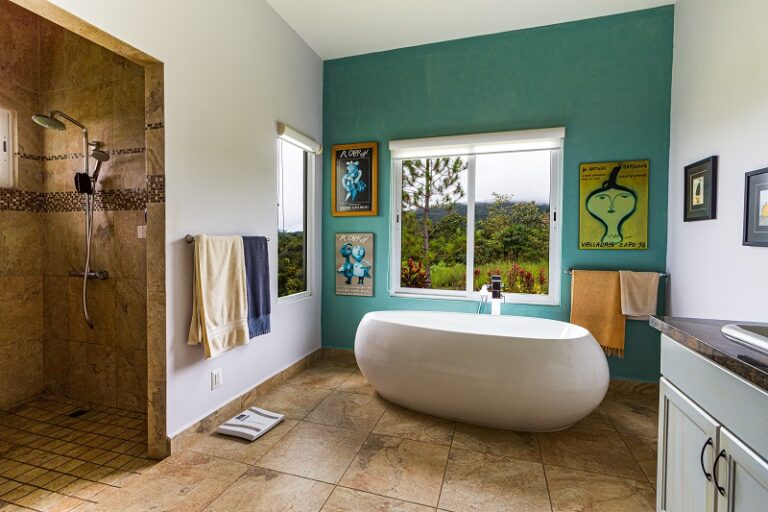
- Freestanding tub: More decorative and often used in luxury bathroom designs.
- Soaking tub: Deeper than a standard tub and made for full-body relaxation.
- Walk-in bathtub: Designed for people who need safer and easier access.
What Is a Shower?
A shower is a bathroom fixture that sprays water from a showerhead while you stand or sit beneath it.
Showers are usually faster than baths and are commonly used for daily hygiene.
A shower may include a shower pan, tiled shower floor, glass shower door, shower curtain, handheld showerhead, rainfall showerhead, body sprays, grab bars, built-in shelves, or a shower bench.
Modern bathroom remodeling projects often include walk-in showers because they look clean, save space, and improve accessibility.
Common Types of Showers
- A walk-in shower has an open or semi-open design and is popular in modern bathrooms.
- A shower stall is a compact enclosed shower, often used in small bathrooms.
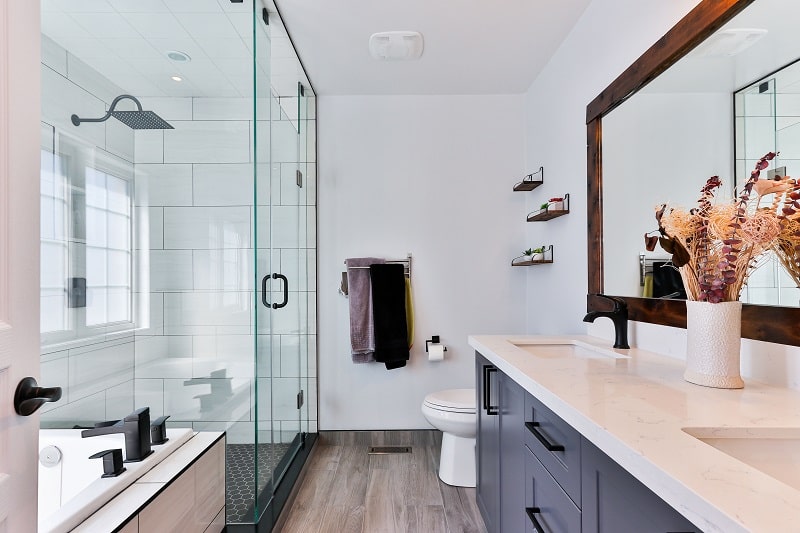
- A tub-shower combo includes both a bathtub and a showerhead in the same area.
- A curbless shower has little or no raised edge, making it easier to enter and safer for many users.
Main Differences Between Bath and Shower
The biggest difference between a bath and a shower is how water reaches your body.
In a bath, water is collected in a tub, and you soak in it. In a shower, water flows from a showerhead and drains away immediately.
| Feature | Bath | Shower |
| Water delivery | Fills a tub for soaking | Flows from the showerhead and drains immediately |
| Primary purpose | Relaxation, comfort, soaking | Speed, convenience, daily cleaning |
| Space required | More floor space needed | Fits in smaller bathrooms |
| Best time to use | Unwinding after a long day | Quick morning routines |
| Body position | Sitting or lying down | Standing (bench optional) |
Benefits of Taking a Bath
Choose a bath if you have enough space, want a relaxing design, or need a tub for children.
If your home has only one bathroom, keeping a bathtub can also protect resale value; many buyers, such as families, still prefer at least one tub in the home.
Benefits are:
- Warm water relaxes the body, eases tension, and reduces daily stress
- Easier for bathing small children than a shower
- Useful for washing pets or rinsing larger household items
- A freestanding tub adds an elegant, spa-like feel to the bathroom
- The right lighting in your bathroom design can make it look even more stunning
Benefits of Taking a Shower
Choose a shower if you have limited space, want a modern look, or need a faster daily routine.
It is also the smarter option for apartments, guest bathrooms, commercial properties, and accessibility-focused remodels. Benefits are:
- Faster than a bath, no waiting for a tub to fill
- Easier to clean and maintain with modern tile and glass
- A walk-in shower makes a bathroom feel larger and more open
- Curbless designs improve safety and accessibility for all ages
What is the Bath vs Shower Water Usage?
Water usage is one of the most important differences between a bath and shower.
In general, showers often use less water than baths if the shower is short and uses an efficient showerhead.
The EPA states that standard showerheads use 2.5 gallons per minute, while WaterSense labeled showerheads use no more than 2.0 gallons per minute and are designed to maintain performance.
That means a 10-minute shower with a standard showerhead may use about 25 gallons of water.
A 5-minute shower may use about 12.5 gallons. A bath can use much more water depending on the size of the tub and how full it is.
EPA educational material notes that a shower may use around 10 to 25 gallons, while a bath can take up to 70 gallons.
Bath-Shower Combo: The Best of Both Options?
A bath-shower combo gives you both a bathtub and a shower in the same space. This is a common choice for family bathrooms because it offers flexibility. You can take quick showers during the week and still have a bathtub available when needed.
A tub-shower combo is also useful when you only have one bathroom in the home. It keeps the bathroom practical for children, guests, and future buyers.
However, a combo may not feel as spacious or modern as a dedicated walk-in shower.
If your goal is a luxury bathroom remodel, you may prefer separating the bath and shower if the room is large enough.
How to Choose Between a Bath and Shower
Choose a bath if you want relaxation, have children, enjoy soaking, or want a classic bathroom feature.
Choose a shower if you want speed, accessibility, easy maintenance, and better use of limited space.
Before deciding, you need to ask 5 questions:
How much space do you have?
A small bathroom almost always works better with a shower.
You will move more freely, and the room will feel less cramped.
If you have a larger master bathroom, you may not have to choose at all; a separate tub and shower can both fit comfortably.
A professional bathroom remodeling service can help you make the most of whatever space you have.
What does your daily routine look like?
If you are rushing out the door every morning, a shower will serve you far better than a tub.
But if your evenings are when you finally get to breathe, having a bath to soak in can make a real difference to how you feel.
Who is using the bathroom?
Young children are much easier to bathe in a tub. If you have kids at home, keeping a bathtub is almost always the right call.
On the other hand, if you or someone in your home has mobility concerns, a curbless walk-in shower is safer and far easier to use every day.
How much water and energy do you want to use?
Short showers use less water than a full tub. If saving on utility bills matters to you, a water-efficient showerhead is one of the easiest upgrades you can make.
Are you thinking about resale value?
If you ever plan to sell, think twice before removing every bathtub in the home.
Many buyers, those with young families, still want at least one tub. It is a small thing that can influence a big decision.
Final Verdict: Bath Vs Shower!
Both get the job done, but they serve very different purposes.
A bath is for slowing down. Soaking, relaxing, and family time.
A shower is for speeding up. Quick, practical, and easy on space.
Whether you want a walk-in shower, a freestanding tub, a tub-to-shower conversion, or a full bathroom remodel, we will help you design a space that fits your life, not just your floor plan.
Book your free consultation today.
Our team is ready to walk you through your options, answer your questions, and get your bathroom project started right.