Open Vs Closed Drainage System: 5 Main Differences

About the author
Angel Sandoval is the owner and lead craftsman at Majestic Cabinets LLC, bringing over two decades of hands-on experience in custom cabinetry and residential construction to every project in the Las Vegas Valley.
Open drains carry water in visible channels, and closed drains move water through covered or underground pipes.
Drainage problems can turn into bigger issues very quickly. Water may start pooling around the property, bad smells can build up, and poor water flow can lead to flooding, damage, and expensive repairs.
Many people do not pay attention to drainage until these problems start affecting their home or building.
At Majestic Cabinets LLC, we help property owners understand what works best for their layout, needs, and long-term upkeep.
We explain the pros, limits, and real use of each drainage system and make it easier to choose a setup that helps protect the property and avoid future water problems.
What Is an Open Drainage System?
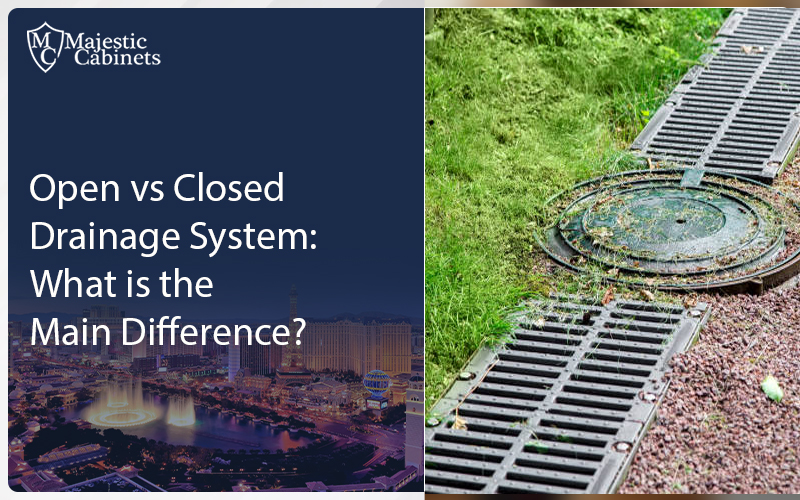
An open drainage system uses uncovered channels, ditches, or surface drains to move water away from an area.
Because it is above ground and visible, water flows through a path that people can see directly.
You will often find open drains in rural areas, older neighborhoods, agricultural land, and places where construction budgets are limited.
These systems are simple to build and do not need complex underground piping.
In many cases, local workers can dig and maintain them with basic tools and materials.

What Is a Closed Drainage System?
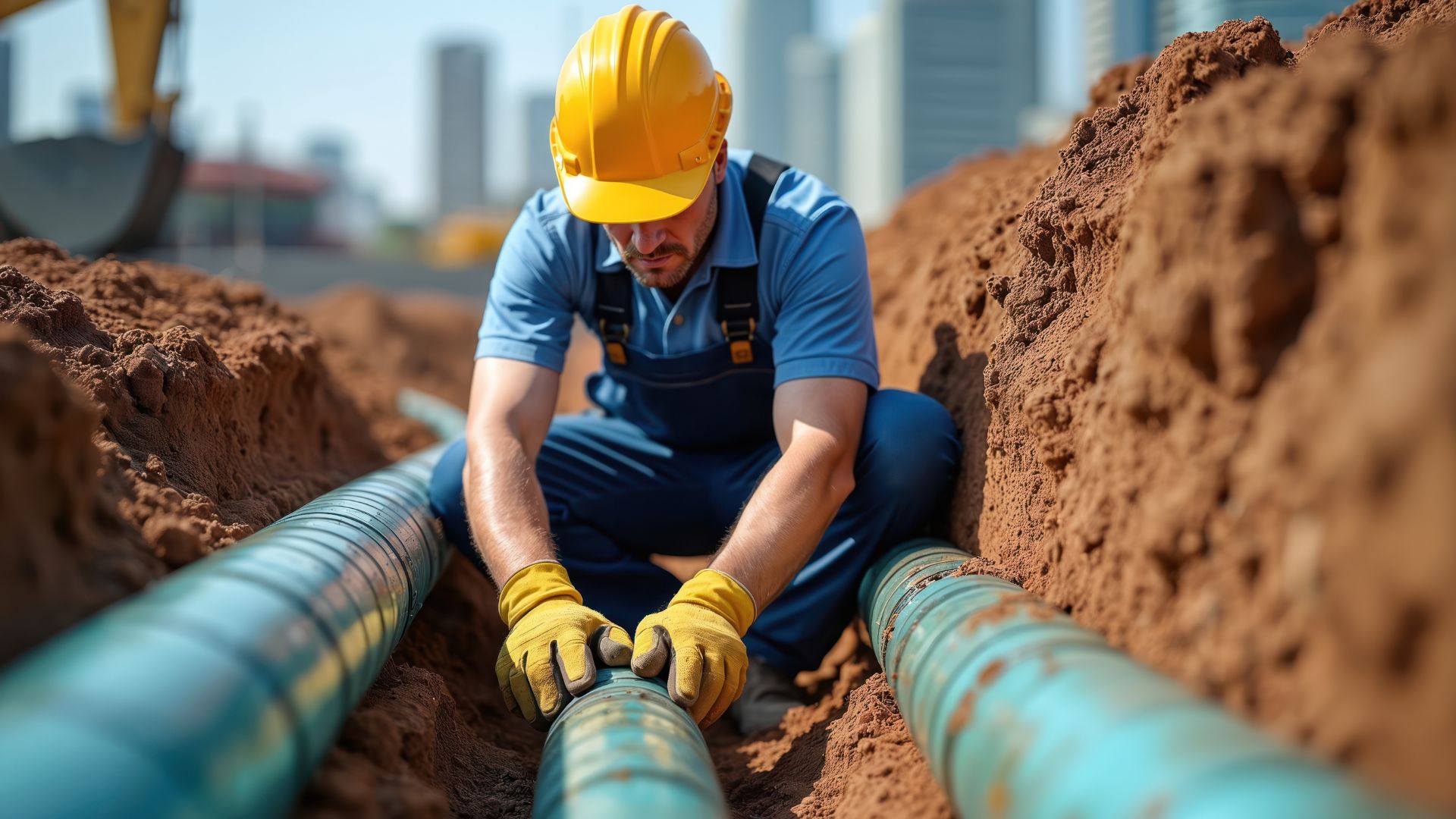
A closed drainage system is built underground.
Instead of exposed channels, it uses pipes to carry stormwater or wastewater away from streets, buildings, and populated areas.
These systems are connected to storm drains, sewer lines, and manholes for access and inspection.
Closed drainage is common in modern cities, commercial areas, and developed residential communities.
In places where sanitation, appearance, and public safety matter, underground drainage is usually the preferred option.
Open vs Closed Drainage Systems: Key Differences
Both open and closed drainage systems are used to move water away from roads, land, and buildings.
They work differently in structure, cost, safety, and maintenance.
1. Design and Structure
The main difference is how each system is built.
An open drainage system uses visible channels or ditches above the ground where water flows openly.
A closed drainage system uses underground pipes, so the water moves through a hidden network below the surface.
Open drains are easier to see and check. Closed drains look cleaner because everything is hidden underground.
2. Installation Cost
The cost of building each system is very different.
Open drainage is usually cheaper because it needs fewer materials and less construction work. It does not require deep digging or complex planning.
Closed drainage costs more because it needs excavation, pipes, fittings, and proper engineering design. Strong materials like PVC or concrete also increase the cost.
3. Health and Sanitation
Drainage systems also affect hygiene and public health.
Open drains expose water to the environment. If dirty water or waste collects, it can attract mosquitoes, rats, and bacteria. It can also create bad smells.
Closed drains keep water inside pipes, away from people and the environment. This helps reduce health risks and keeps public areas cleaner and safer.
Over time, poor drainage and excess moisture can also lead to moisture and mold-related damage in wood and built-in home features.
4. Maintenance and Repairs
Both systems need maintenance, but they are handled differently.
Open drains are easy to inspect because everything is visible. Blockages can be found and cleared quickly. However, they often need frequent cleaning because leaves, trash, and dirt can fall in easily.
Closed drains do not need regular cleaning as often. But when a problem happens, it can be harder to find and fix. Special tools like cameras or pipe cleaning machines are often needed.
5. Environmental Impact
Each system affects the environment in different ways.
Open drainage can carry polluted water into soil, nearby land, or natural water sources if it is not cleaned properly. This can lead to contamination.
This is closely related to stormwater runoff, which is one of the main reasons drainage systems need proper planning and maintenance
Closed drainage controls water flow better because it stays inside pipes. This helps reduce pollution in open areas and supports better water management.
However, poor design or blockage in underground pipes can still cause flooding or soil damage.
Pros and Cons of Open and Closed Drainage Systems
| Factor | Open Drainage System | Closed Drainage System |
| Installation Cost | Low cost because it uses simple channels, fewer materials, and minimal construction work | High cost because it needs underground pipes, excavation work, and proper engineering design |
| Maintenance | Easy to inspect and clean since everything is visible, but it needs frequent cleaning due to constant exposure to waste and debris | Needs less regular cleaning, but repairs are harder because problems are hidden underground and may require special equipment |
| Health & Safety | Higher health risks because water is exposed, which can lead to pests, bad odors, and contamination | Safer option because wastewater stays enclosed inside pipes, reducing contact with people and the environment |
| Appearance | Visible open channels can make surroundings look less clean and less organized | Hidden system keeps streets and neighborhoods clean and visually neat |
| Main Advantages | Simple structure, quick to build, easy to monitor, and suitable for low-cost or rural areas | Strong sanitation control, safer for populated areas, handles large water flow efficiently, and works well in modern cities |
| Main Disadvantages | Easily clogged by trash and natural debris, requires frequent cleaning, and not ideal for urban environments | Expensive to install, harder to repair, and requires technical tools and skilled labor for maintenance |
Which Drainage System Is Better?
There is no single “best” drainage system.
The right choice depends on where it is used, how much water needs to be handled, and the budget available.
For cities and developed areas
In cities, a closed drainage system is usually better.
It keeps wastewater underground, which helps maintain cleanliness and reduces health risks. It also improves the look of roads and public spaces.
For example, modern housing societies, commercial streets, and apartment areas use underground pipes so there are no open channels visible on the surface.
For rural areas and lower-budget projects
In rural areas, an open drainage system is more practical.
It is cheaper to build and easier to maintain with basic tools. It works well where there is less traffic and fewer buildings.
For example, small villages or farmland areas may use open ditches to carry rainwater away from fields and roads.
For areas with heavy rainfall
In areas with heavy rain, a closed drainage system performs better in planned urban settings.
It can be designed to handle large volumes of water and move it quickly through underground pipes, reducing surface flooding.
For example, city roads with storm drains and underground pipe networks are built to manage sudden heavy rainfall more efficiently than open channels.
4 Tips to Choose the Right Drainage System
Choosing between open and closed drainage depends on practical conditions, not just cost. The goal is to pick a system that works well for the area over many years.
1- Budget and Long-Term Cost
Budget is usually the first factor.
If funds are limited, an open drainage system can work as a short-term solution because it is cheaper to build. However, it may need more cleaning and repairs over time.
If the goal is long-term infrastructure, a closed drainage system is often a better investment. It costs more at the start but usually lasts longer and requires less frequent maintenance.
For example, small local roads may use open drains, while planned housing societies invest in underground systems from the beginning.
2- Population and Area Type
The number of people in an area matters a lot.
In crowded urban areas, closed drainage is usually the better option. It keeps wastewater hidden, reduces smell, and improves hygiene in places where many people live and move every day.
In less-populated or rural areas, open drainage can be sufficient because there is more space and a lower risk of public health issues.
3- Climate and Rainfall
Weather conditions also play a key role.
Areas with heavy rainfall need a system that can quickly move large amounts of water away.
Closed drainage systems are used for this purpose in cities, using pipes and stormwater networks.
In simple or dry regions, open drainage may still work well for basic water flow after rain.
4- Maintenance Capacity
A drainage system only works well if it is properly maintained.
Open drainage is easier to clean because everything is visible, but it needs regular attention to remove trash and blockages.
Closed drainage needs less frequent cleaning, but when issues happen, they require skilled workers and proper equipment.
A good choice depends on what kind of maintenance support is realistically available in the area.
Cabinet Refinishing Specialists
Make Your Old Cabinets Look New Again
If your cabinets are still structurally sound but look worn or outdated, refinishing is the smartest move. Most jobs in Las Vegas are completed within a few days — we keep the mess to a minimum the whole time.
Final Note!
Both open and closed drainage systems are designed to do the same job: move excess water away from homes, roads, and open spaces.
The main difference is how they handle safety, cleanliness, cost, and long-term use.
If you are dealing with drainage problems, water buildup, or moisture damage around your home, it is important to address them early before they become bigger issues.
We can help with home improvement, remodeling, and repair work that supports the reliability of structures around your property.
Book an appointment with Majestic Cabinets LLC today for help with home repair, remodeling, and improvement work.
Free in-home estimate
Get a Real Quote From a Real Cabinet Specialist
The best way to understand your project is to see the space in person. We visit your home, take measurements, review your ideas, and provide a clear estimate.