
Open vs Closed Drainage System: Key Differences Explained
Every time it rains, open and closed drainage systems are at work. It’s something you probably never think of but is so important to prevent things such as flooding or bad smells in the air. With a proper drainage setup, homes and public places stay safe even during the heaviest storms.
It’s important to have an understanding of the difference between an open drainage system and a closed drainage system. That’s because they help cities and rural areas manage water safely, which is especially important for sustainability and public health.
What is an Open Drainage System?

An open drainage system is a simple form of waste management. It’s made up of uncovered channels that let water flow freely above the ground. You’ve probably seen these in older urban streets or in more rural areas.
These types of drains are common in developing countries, such as Zambia. They’re relatively cheap to build, as they don’t require high-end materials or machinery. Anyone with basic tools can dig and maintain them.
The problem is, these systems are exposed to trash and waste, which gets dumped into them and can create problems like clogs and diseases.
What is a Closed Drainage System?

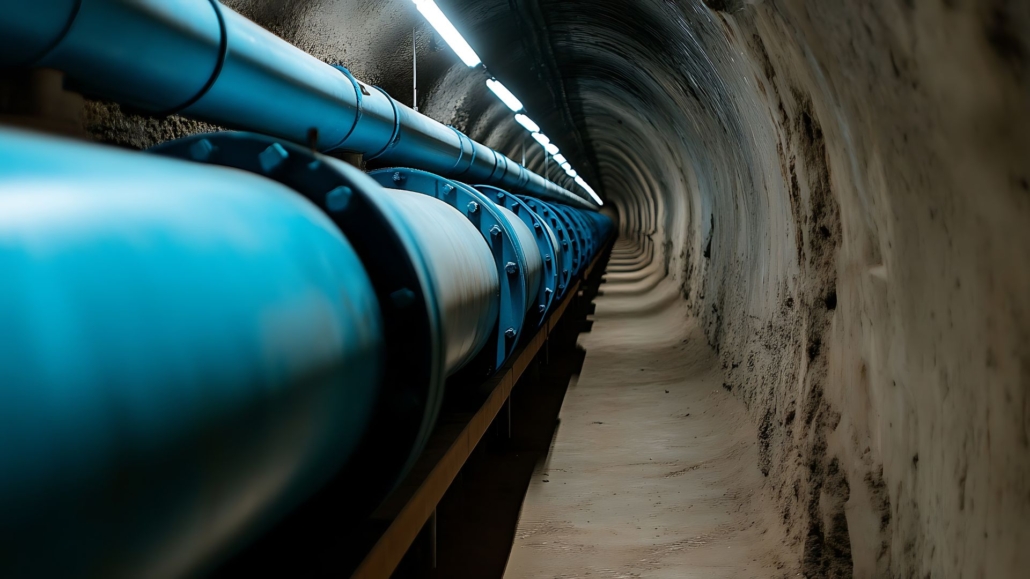
Unlike open drains, a closed drainage system is the modern, hidden version of water management. It relies on a network of underground pipes that carries sewage away from buildings and streets. These systems are usually connected to manholes or storm drains that let maintenance crews inspect them when needed.
Cities in the United States, as well as other developed countries, such as those in Europe, use closed systems for sanitation and safety. Closed drainage systems are built using materials like concrete or PVC, as they’re very durable. Since everything is sealed below the surface, there’s barely any risk of direct contact with the contaminated water.
These systems are expensive to install, however, they reduce pollution and improve overall public health. When comparing open drainage vs closed drainage, the biggest differences are having the drains in sight, safety and cost.
Key Differences Between Open and Closed Drainage Systems

Design & Structure
Above-ground ditches or channels are used to carry water in open drains, making them exposed to everything around them, including people. A closed drainage system keeps everything underground. Pipes are carefully engineered to manage large volumes of water without spilling out onto the streets.
Cost
It does not cost much to build an open drainage system. The labor is simple, the materials are minimal and the construction doesn’t require advanced machinery. This makes it ideal for low-income or rural areas. The problem is that it also means the drains need frequent cleaning and can create flooding and public health issues.
The closed drainage system needs cities to invest in the correct piping and professional installation, which can be expensive. However, once they’re built, these drainage systems are much more reliable than open systems. It’s usually the cost that is the deciding factor for governments and engineers when choosing a drainage system.
Health & Hygiene
With open drainage systems, waste is exposed to the air, which tends to attract rodents, mosquitoes and bacteria. This can make open drains hazardous, as diseases such as cholera, malaria and dengue fever are more likely to spread.
The good thing about closed drainage systems is that there’s no direct contact between people and contaminated water. This then helps to reduce the risk of disease, making areas much safer for the public. If cities want a high level of cleanliness and public health, the only option is to install a closed drainage system.
Maintenance
Open drains are easier to inspect because everything is visible. You can see blockages and remove debris with basic tools. But they also require constant attention, mainly because in rainy seasons, debris will build up.
A closed drainage system is hidden, and this can make maintenance more difficult. Because of this, special equipment, like cameras and cleaning jets, is needed to fix blockages. Less upkeep is required, but these drains are technical, and that can be costly.
Environmental Impact
Every system has an impact on the environment, both good and bad. However, open drains have a bigger impact on the environment. They carry pollution from streets and homes into rivers and soil, leading to contamination.
Closed drains are much better at containing waste and making sure the environment stays clean. Sometimes, though, there can be problems where the underground pipes aren’t designed properly, which alters natural groundwater levels or causes erosion. Out of both types of drainage systems, the closed version is the most eco-friendly when managed properly.
Pros and Cons of Each System

Without a doubt, the open drainage system is the most affordable and has the simplest design. It doesn’t require special materials, making it accessible for small communities or temporary construction projects. The downsides, though, are serious and include exposure to waste and issues with public health. Also, when open drains aren’t kept on top of, they can cause flooding and water contamination.
For those who want a safe and clean system, they must choose a closed drain. They prevent exposure to harmful bacteria and reduce the risk of flooding. The only problem is that they can be very expensive, while installation and the repairing of underground pipes can be difficult. The closed system is usually the preferred choice in built up areas because of its long term benefits.
Choosing the Right System: Factors to Consider

There are many factors to consider when choosing different types of drainage systems. Some of these factors include geography, population, climate and funding. In many highly populated cities, they use closed drainage systems, as these keep wastewater underground and improve sanitation. Rural areas are more likely to choose open drainage systems, the main reason for this being that they cost less and are easier to build.
Climate plays an important role in choosing drainage systems. Areas that have large amounts of rain need closed systems to protect themselves against flooding. Drier areas don’t have this worry, so they can manage with open drains.
The most popular choice is a well maintained closed drainage system, as it helps to reduce pollution and improve the management of water. This is especially important in modern cities due to their high population.
Conclusion
Both open and closed systems have been designed to remove unwanted water safely. The open drainage system is easy to build and maintain, but it can create health risks when it isn’t managed right. The closed drainage system costs more upfront but gives a cleaner and safer option for cities and towns.
When comparing open drainage vs closed drainage, the right choice depends on location, long term plans and what communities can afford. For modern U.S. cities focused on hygiene, closed systems are a common choice. Elsewhere, open systems continue to be used in rural or developing areas where cost is an important factor.
At the end of the day, a well-designed drainage system is fundamental for healthy, livable communities.
FAQs
What is the main difference between open and closed drainage systems?
The biggest difference is that an open drainage system has exposed channels for water flow, while a closed drainage system uses underground pipes to carry water safely away from public spaces.
Which is better: open or closed drainage?
For modern, populated areas, a closed drainage system is better because it’s cleaner, safer and more efficient. However, open drainage systems still work well in rural or low-cost regions.
What are the disadvantages of open drainage systems?
They can collect trash, create bad odors, attract insects and spread diseases. Without regular cleaning, open drains can cause serious health problems.
Can open drainage systems still be used in modern cities?
Yes, but only temporarily or in areas with limited resources. Most U.S. cities prefer closed systems for better sanitation and appearance.
Why are closed drainage systems more expensive?
They require underground construction, strong materials and professional installation. These systems are designed for long-term durability, which raises initial costs.
Which drainage system is easier to maintain?
Open drains are easier to inspect because they’re visible, but they need frequent cleaning. Closed drains last longer but require specialized maintenance tools.
How do drainage systems affect public health?
Poorly maintained drains can cause standing water and spread disease. A good drainage system keeps waste away from people and prevents contamination.
How do open and closed drainage systems impact the environment?
Open systems can pollute rivers and soil, while closed systems protect the environment by containing waste. Both systems must be designed and maintained properly to avoid long-term damage.
Which drainage system is more cost-effective in the long run?
A closed drainage system is more cost-effective over time. While expensive to build, it reduces maintenance, flooding and health-related costs later.
Are open drainage systems suitable for rural areas?
Yes, they are. In rural settings, an open drainage system is practical, affordable and easy to maintain using local materials. It’s an effective solution when resources are limited.
Owen Wright

Owen is a customer experience manager at Majestic Cabinets. Having several years of experience in the home improvement field, Owen is keen on sharing his knowledge and secrets with others. Doesn't matter if you’re a homeowner with little to no knowledge in the field or an experienced contractor, you can always learn something new and interesting from his stories. Owen hopes that his articles will give you a bit of insight on home improvement.